You want a backyard that keeps your pets happy, safe, and clean. Synthetic turf stands out as the smart choice for pet owners like you. Unlike natural grass, it resists damage from digging and pet waste, stays green all year, and helps control odors. Synthetic turf also cuts down on pests and allergens, making your yard safer. If you wonder why synthetic turf is ideal for pet-friendly spaces, just look at its easy upkeep and lasting value.
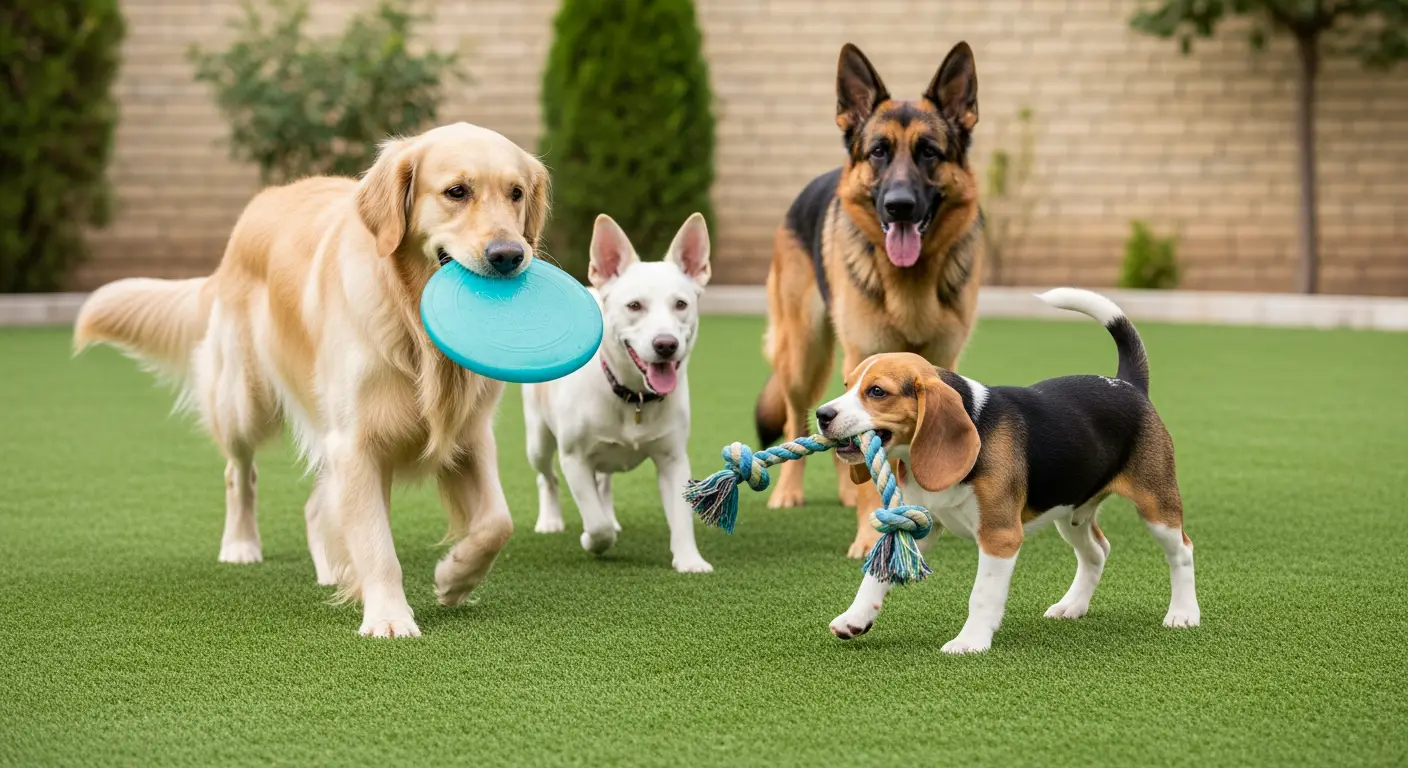
Your pets deserve a safe, clean, and enjoyable yard where they can run, play, and relax every day. That’s precisely why high-quality synthetic turf has become the go-to choice for pet-friendly spaces. It withstands heavy use from zooming dogs and energetic play without wearing down, tearing up, or developing bare patches—unlike natural grass, which often turns into muddy messes or brown spots from constant paw traffic and urine.
Synthetic turf stays lush and green year-round, no matter the season, weather, or how much your pets love digging or rolling in it. Say goodbye to muddy paws tracking dirt into the house and those frustrating brown urine spots that ruin natural lawns. Many pet-specific turfs feature advanced drainage systems (typically rated at 30+ inches per hour or higher), allowing urine and water to flow through quickly to the base, preventing puddles, bacterial buildup, and odors when rinsed regularly.
Best of all, premium synthetic turf is made from non-toxic materials free of harmful pesticides, fertilizers, and chemicals that are common on natural grass. This creates a safer environment for your pets (and you!), reducing exposure to potential allergens, parasites, or lawn treatments. Research and real-world use back this up: high-quality artificial turf is designed to be hypoallergenic and durable, with many owners reporting fewer allergies and paw irritations compared to treated natural grass.
Pet owners who’ve made the switch often rave about the difference:
Studies and expert insights support these experiences. For instance, veterinary research has shown that dogs often prefer synthetic grass substrates for elimination when given choices, and properly installed pet turf handles waste effectively without damage. Reputable sources like the Synthetic Turf Council and independent reviews emphasize that certified, non-toxic synthetic options provide low-maintenance durability while minimizing chemical exposure—key for pet health.
Of course, choose pet-optimized turf with excellent permeability and avoid older crumb-rubber infill types; modern infill-free or organic options perform best for homes with dogs.
In the end, synthetic turf isn’t just about looks—it’s about giving your pets a reliable, clean playground that makes daily life easier and healthier for the whole family. No more seasonal worries, constant repairs, or chemical concerns—just endless tail wags and playtime.
Your pets could have a yard that’s truly safe. High-quality synthetic turf is made from non-toxic plastics like polyethylene and polypropylene—the same materials commonly found in food containers and many household items. Reputable manufacturers rigorously test these materials to ensure they’re free of harmful heavy metals (such as lead) and other toxins.
To guarantee safety, the testing processes for synthetic turf involve multiple rigorous steps. These typically include laboratory analyses for chemical content, leaching potential, and overall human and animal health risks. For instance, tests assess the total lead content in turf fibers using methods like acid digestion followed by atomic absorption spectroscopy or inductively coupled plasma mass spectrometry (ICP-MS) to detect trace levels of heavy metals. Other evaluations check for volatile organic compounds (VOCs), phthalates, and polycyclic aromatic hydrocarbons (PAHs) through gas chromatography-mass spectrometry (GC-MS), ensuring emissions remain below safe thresholds even under heat or wear. Abrasion testing measures skin irritation potential by simulating friction on turf surfaces, often using rotating drums or sliding weights to quantify roughness and potential for injury. Flammability tests expose samples to ignition sources to evaluate burn rates and self-extinguishing properties. These processes are conducted by independent labs to simulate real-world conditions, such as UV exposure, weathering, and pet urine interaction, ensuring long-term safety.
Look for trusted certifications that confirm these safety standards have been met:
Many leading brands now offer products that are explicitly PFAS-free, avoiding these persistent “forever chemicals” entirely through alternative manufacturing.
While synthetic turf excels in pet safety and low maintenance, its environmental footprint warrants a balanced discussion. Compared to natural grass, synthetic turf offers sustainability advantages in some areas but poses challenges in others. Let’s break it down.
Water Conservation and Resource Use: Synthetic turf requires no watering, potentially saving thousands of gallons per year in arid regions—a major plus for drought-prone areas. Natural grass, conversely, demands significant irrigation (up to 2.9 billion gallons annually for U.S. lawns), contributing to water scarcity. However, natural grass supports groundwater recharge through better soil permeability, whereas synthetic turf’s impermeable backing can increase runoff and urban flooding risks.
Chemical and Pollution Reduction: High-quality synthetic turf eliminates the need for pesticides, fertilizers, and mowing, reducing chemical runoff into waterways and lowering emissions from gas-powered equipment. Natural grass often relies on these inputs, leading to ecotoxic emissions and soil contamination. On the flip side, synthetic turf can leach microplastics, heavy metals, or PFAS over time, especially if not certified PFAS-free, posing risks to aquatic life and soil health.
Carbon Footprint and Biodiversity: Manufacturing synthetic turf from petroleum-based plastics generates higher upfront carbon emissions, and its non-biodegradable nature complicates end-of-life disposal—though many modern turfs are recyclable, lasting 15-20 years to minimize waste. Natural grass acts as a carbon sink, sequestering CO2 and supporting biodiversity through habitats for insects, birds, and soil microbes. Synthetic turf, being inert, disrupts ecosystems by eliminating food sources and increasing urban heat islands (up to 20-30°F hotter than grass).
Overall Sustainability: Studies show mixed results; some indicate synthetic turf has a comparable or lower long-term impact when factoring in maintenance savings, while others favor natural grass for its ecological benefits despite higher resource demands. For pet owners, opting for recyclable, certified synthetic turf can tilt the balance toward sustainability, but local climate and usage play key roles.Built-In Antimicrobial Protection.
Pets like to roll, dig, and play outside. That is why synthetic turf is ideal for pet-friendly spaces; it has antimicrobial technology. This special feature is added when the turf is made. It works for as long as you have your turf. Antimicrobial agents stop bacteria, mold, and mildew from growing. This keeps your yard much cleaner than turf without it. You will smell fewer odors and see fewer stains. Even in the spots your pets use most.
Tip: Pick synthetic turf with antimicrobial protection. It helps keep your yard cleaner and healthier for your pets and family.
Here is a quick chart to compare synthetic turf and natural grass:
| Feature | Synthetic Turf | Natural Grass |
|---|---|---|
| Water Usage | Does not need water | Needs a lot of water |
| Chemical Treatments | Uses fewer chemicals | Often needs chemical treatments |
| Biodegradability | Made from materials that do not break down | Breaks down naturally |
| Ecosystem Support | Does not help local plants and animals | Helps make oxygen and supports nature |
If you want a yard that is safe and easy to care for, why synthetic turf is ideal for pet-friendly spaces is a great choice. Your pets get the best, and you feel good every day.
You want a backyard that stays fresh and clean, even with active pets. Synthetic turf makes this possible. It uses advanced drainage systems that quickly move pet urine and water away from the surface. This means you will not see puddles or smell strong odors. The turf also has antimicrobial coatings that fight bacteria and keep your yard smelling pleasant. Unlike natural grass, which can turn brown and patchy from pet waste, synthetic turf keeps its color and shape.
The secret is in the design. Microporous minerals in the turf help it dry fast. This keeps your yard ready for play, no matter the weather. You can easily clean up after your pets. Just follow these simple steps:
Tip: Rinse more often in hot weather to stop odors before they start.
Here are some cleaning products that work well for pet-friendly turf:
| Product Type | Description |
|---|---|
| Enzymatic Cleaners | Break down pet urine naturally (Simple Green, Angry Orange) |
| Vinegar Solution | Mix equal parts white vinegar and water for a budget-friendly wash |
| Turf Deodorizers | Zeolite-based products trap and neutralize odors |
| Stiff Bristle Brush | Helps fluff turf and remove debris |
| Hose-End Sprayer | Makes rinsing large areas quick and easy |
Synthetic turf creates a healthier space for your family and pets. It removes natural grass and pollen, which lowers allergens and asthma triggers. You will notice fewer sneezes and less itching. This is a big reason why synthetic turf is ideal for pet-friendly spaces.
Pests like fleas, ticks, ants, and rabbits do not like synthetic turf. The turf does not give them food or shelter. You will spend less time worrying about bites or infestations. Keeping your turf clean is easy. Rake leaves in the fall, and use a plastic shovel to clear snow in winter. Regular care keeps your yard looking great and feeling safe all year.
Your pets love to run, dig, and play hard. Synthetic turf stands up to this challenge every day. The strong fibers resist scratching and digging, so you do not see bald spots or holes. You get a yard that looks great, even after hours of fetch or zoomies. Manufacturers test synthetic turf with the Lisport Test, which simulates years of heavy foot traffic. This test checks how well the turf resists matting and wear. You can trust that your turf will last, no matter how active your pets are.
Here’s a quick comparison to show how synthetic turf outperforms natural grass:
| Feature | Synthetic Turf for Pets | Natural Grass |
|---|---|---|
| Durability | Strong fibers designed to withstand digging and scratching | May wear down quickly under heavy use |
| Maintenance | Low maintenance, no watering required | Requires regular mowing and watering |
| Cleanliness | Superior drainage and antimicrobial coatings | Can develop muddy patches and odors |
| Comfort | Soft surface mimics natural grass | Varies, can be rough or uneven |
| Year-round Appearance | Stays green all year | Seasonal changes affect appearance |
You want a yard that lasts. High-quality pet turf can last between 10 to 20 years. That means you spend less time and money on repairs.
Tip: Choose turf with a perforated backing system. It drains over 50 inches of water per hour, so your yard dries fast after rain or cleaning.
You never have to worry about brown patches or muddy spots. Synthetic turf stays green and lush, no matter the season. Homeowners in the Greater Toronto Area report that their turf looks great all year, even with active pets. The turf resists drought and heavy use. Modern turf uses UV-resistant materials, so sunlight does not fade the color.
If you want a yard that always looks fresh, why synthetic turf is ideal for pet-friendly spaces becomes clear. You and your pets enjoy a green, clean space every day.
Your pets deserve a yard that feels soft under their paws. Synthetic turf gives them a cushioned surface that mimics real grass. You will notice your dog rolling, running, and relaxing more often. The turf uses safe materials like polyethylene, which means no harmful chemicals or pesticides touch your pet’s skin. You can let your pets play without worry.
Artificial turf is designed with pet comfort in mind. It stays smooth and even, so you never see muddy holes or rough patches. High-traffic spots remain green and plush, even after hours of play. Dogs cannot dig through the turf or leave urine spots. You get a yard that always looks and feels inviting.
Tip: Choose synthetic turf with extra cushioning for older pets or those with sensitive joints. Your furry friends will thank you!
Here’s a quick look at how synthetic turf compares to natural grass:
| Feature | Synthetic Turf | Natural Grass |
|---|---|---|
| Comfort | Soft and cushioned surface | Can become muddy and uneven |
| Safety for Pets | Designed to be pet-friendly | May contain harmful chemicals |
| Odor Control | Smart infills neutralize odors | Can retain odors from waste |
You want your pets to enjoy the outdoors every day. Synthetic turf makes this possible. The surface stays usable in rain, snow, or sunshine. You never have to worry about muddy paws or soggy grass. The turf drains quickly, so your pets can play right after a storm.
Synthetic turf remains cool under direct sunlight, protecting your pet’s paws in summer. In winter, it melts snow faster and never gets soggy. You get a yard that works for bathroom breaks and playtime all year.
Your pets will love the freedom to play outside every day. You will love the clean, comfortable yard that synthetic turf provides.
You want a backyard that lasts. Synthetic turf gives you that. You do not need to worry about patching up holes or reseeding bare spots. The turf resists heavy use from pets. It stands up to running, digging, and rough play. You will not see muddy patches or brown stains from pet waste. This means you avoid costly repairs year after year.
Many pet owners choose brands like K9Grass and SYNLawn. K9Grass is made just for dogs and gets high praise from experts like Cesar Millan. SYNLawn offers turf that is safe, non-toxic, and built to last. These brands focus on durability and safety, so you get more value for your money.
Tip: Choose turf with a strong warranty. You protect your investment and enjoy peace of mind.
Switching to synthetic turf saves you both time and money. You do not need to mow, water, or fertilize your yard. You spend less time on chores and more time playing with your pets. The savings add up fast.
Here’s how the costs compare each year:
| Cost Category | Natural Grass (Annual) | Artificial Turf (Annual) |
|---|---|---|
| Water and irrigation | $400–$900 | $0–$50 |
| Equipment/fuel/repairs | $300–$900 | $0–$50 |
| Fertilizers & treatments | $150–$400 | $0–$20 |
| Pest control/overseeding | $100–$300 | $0 |
| Equipment/fuel/repairs | $100–$300 | $0–$20 |
You can see the difference. Synthetic turf cuts your yearly costs by hundreds of dollars. You also save hours every month. No more mowing or spreading chemicals.
Synthetic turf gives you long-term value. You invest once and enjoy a beautiful, low-maintenance yard for years. You and your pets get more fun and less hassle. That is a smart choice for any pet owner.
You want a backyard that stays clean, safe, and easy to care for. Synthetic turf gives you all these benefits and more. Many pet owners love how it keeps paws mud-free and resists damage from play. Take a look at what they value most:
| Benefit | Why It Is relevant for You and Your Pet |
|---|---|
| Cleanliness | No muddy paws or dirt tracked inside |
| Easy Maintenance | Quick cleanup and odor control |
| Durability | Handles digging and rough play |
| Pet Safety | Hygienic, non-toxic surface |
Make the switch today. Give your pets a yard they will love and enjoy more leisure time for yourself!